
Vaginal Microbiome Assay
A CE-marked test that quantifies key Lactobacillus species, Gardnerella vaginalis and Candida species to support infection management, fertility care and evidence-based probiotic recommendations.
Why Measure the Vaginal Microbiome?
Vaginal microbiome imbalances contribute to recurrent infections, reduced fertility and lower IVF success rates. Current testing methods identify problems without revealing their source. They cannot distinguish between protective and ineffective Lactobacillus species, leaving clinicians uncertain about whether intervention is needed.
Healthy vaginal environments are dominated by Lactobacillus species that produce lactic acid and prevent pathogenic colonization. Not all Lactobacillus species offer the same protection. Some strongly prevent bacterial vaginosis and support fertility, while others provide minimal benefit. Different dysbiotic patterns require different treatment approaches, but generic tests cannot identify these patterns at the species level.
REM’s CE-marked assay measures individual Lactobacillus species alongside key dysbiotic organisms, giving fertility specialists and gynecologists the precision needed to assess risk, guide treatment timing and personalize therapeutic approaches.

From Sample to Clinical Insight
Clear Species Ratios
Profiles showing the relative abundance of each individual species, revealing the balance between protective and dysbiotic organisms.
Validated Performance
Each primer set tested in hundreds of replicates. Validated on real patient samples and CE-marked as an IVD.
Clinical Workflow
Simple swab collection with standardized processing. Results formatted as clear reports that support clinical decision-making.
What We Measure
Measures the relative abundance of the Lactobacillus species, bacterial pathogens and fungi most relevant for vaginal health and fertility.
Lactobacillus crispatus
Lactobacillus iners
Lactobacillus jensenii
Lactobacillus gasseri
Lactobacillus acidophilus
Candida albicans
Lactobacillus helveticus
Candida tropicalis
Candida glabrata
Gardnerella vaginalis
Clinical Validation
Independent validation: two studies confirm the predictive value of measuring individual species composition rather than broad bacterial categories.
Predicting IVF Outcomes
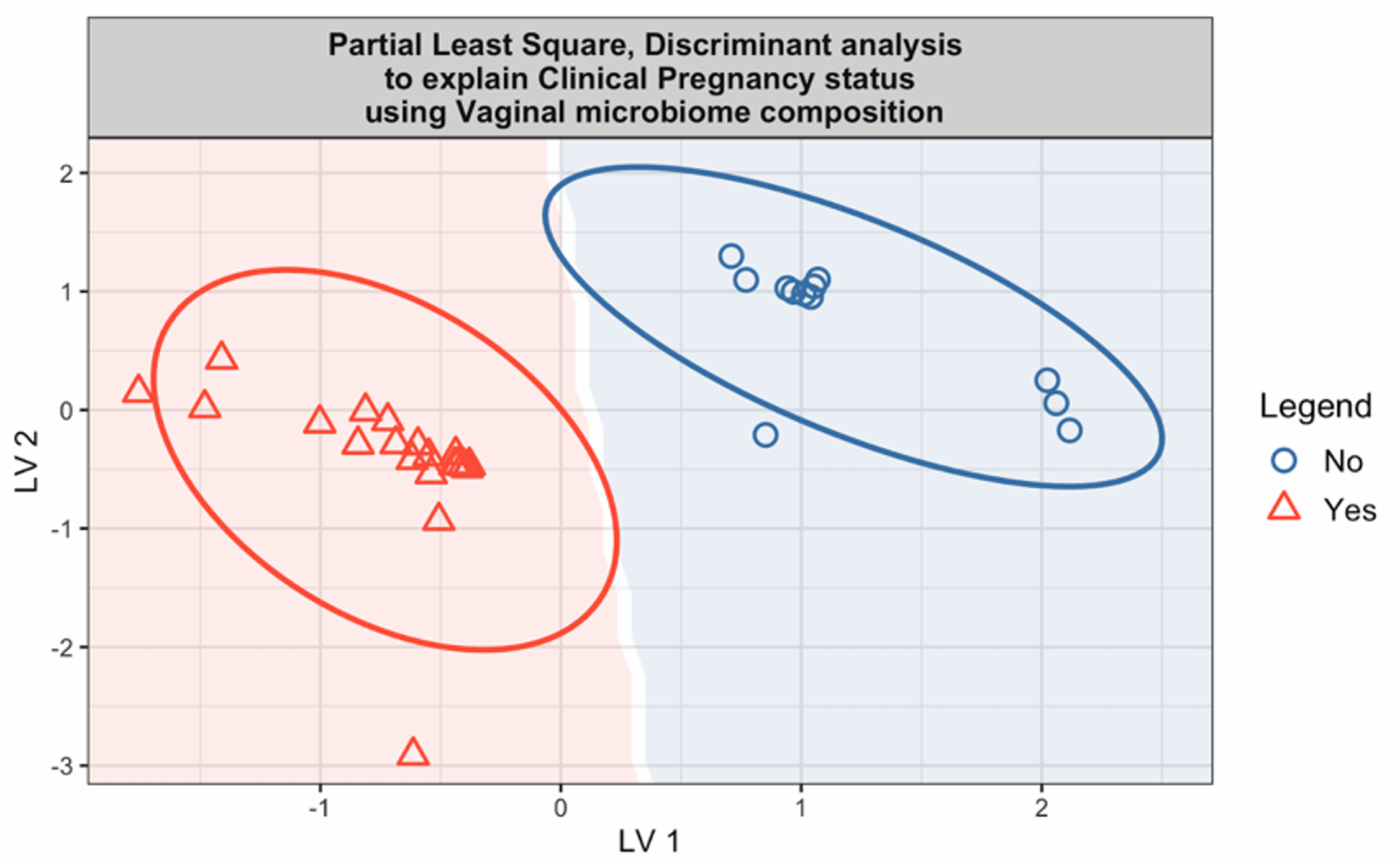
Our data shows a correlation between vaginal microbiome composition and IVF success. Knowing which individual species dominate the microbiome allows clinicians to identify patients with dysbiotic compositions or inadequate protective species who could benefit from intervention before fertility procedures.
Prospective study, n = 92
Identifying Protective Species
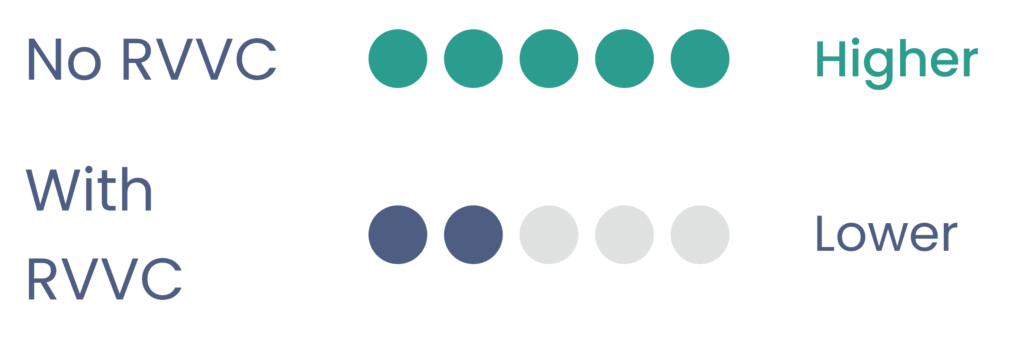
L. acidophilus was significantly more prevalent in women without recurrent vulvovaginal candidiasis (RVVC). Distinguishing between individual Lactobacillus species can show clinically important differences that other methods cannot detect.
Validated in clinical samples
L. acidophilus prevalence
Applications
probiotic development
Does your strain actually shift the vaginal ecosystem? Track changes in individual species before and after treatment to validate efficacy. Identify which baseline microbiome compositions respond best to your formulation.
fertility clinics
Is your patient’s microbiome ready for embryo transfer? Screen before IVF to determine optimal timing. Identify which patients have dysbiotic patterns or lack adequate protective bacteria and could benefit from intervention before transfer.
women’s health
Why do some women experience recurrent infections while others don’t? Identify patients at higher risk for bacterial vaginosis, RVVC and dysbiosis based on their microbiome composition. Match treatment approaches to individual species profiles.
Interested in vaginal microbiome profiling for your applications?
Validated CE-marked assay for fertility clinics, women’s health diagnostics and probiotic development.
Simple clinical workflow • Validated in patient samples • CE-marked IVD